

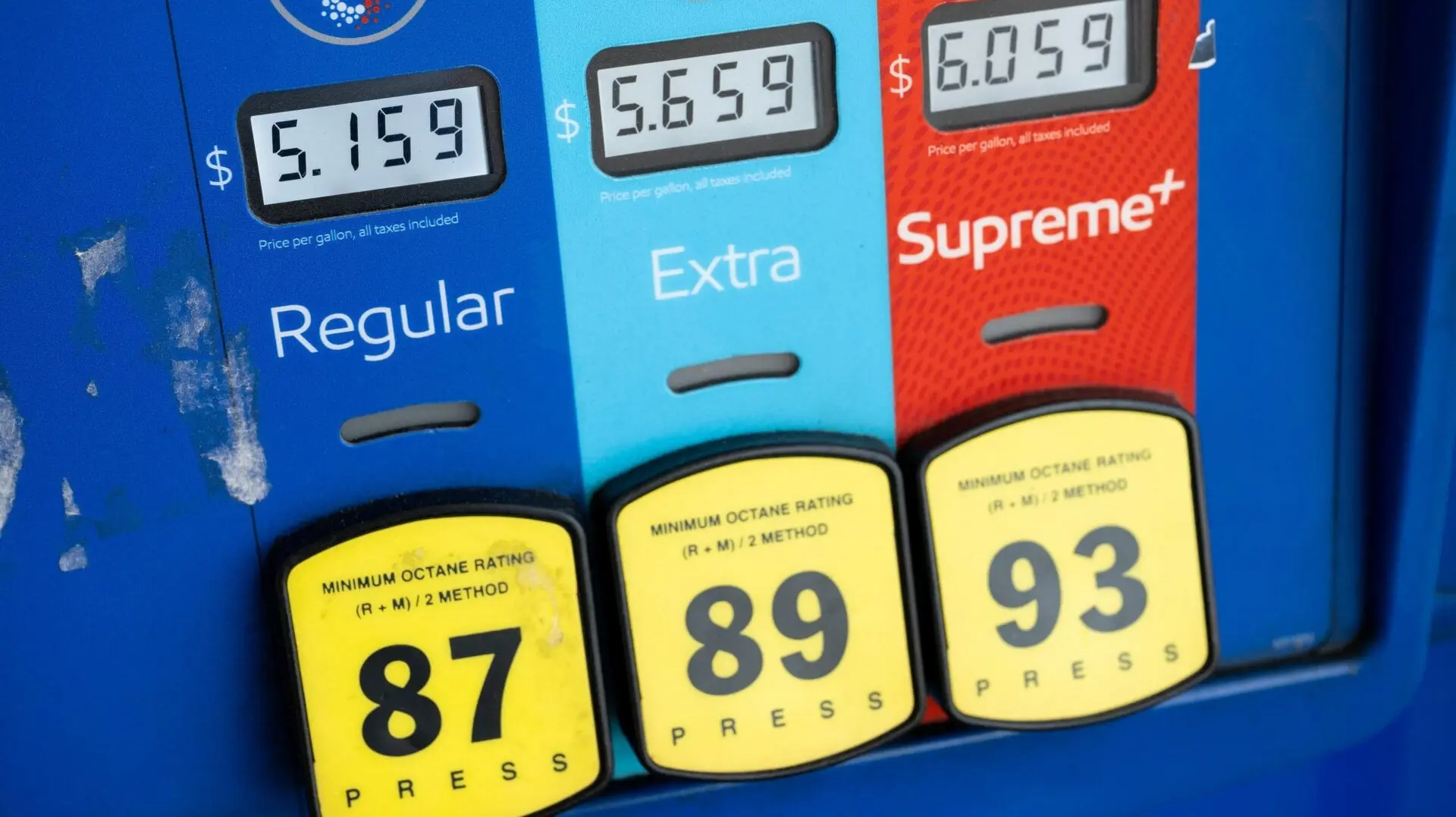
A new class action lawsuit filed on Monday in Sacramento, California, has sent shockwaves through the retail fuel industry. The suit names major gas station operators—including BP, 7-Eleven, Walmart, and Albertsons—along with a software platform called Kalibrate, accusing them of using artificial intelligence to coordinate prices and extract more money from consumers. According to Reuters, which reviewed the legal complaint, the lawsuit alleges that the companies employed Kalibrate’s AI-driven pricing tools to synchronize their fuel pricing strategies, effectively creating an illegal price-fixing cartel powered by algorithms.
Kalibrate, one of the named defendants, markets itself as a company that “has been removing the guesswork and adding certainty to organizations’ biggest decisions for decades.” Its website boasts of offering “market-leading AI, analytics, and modeling” to help businesses optimize pricing and operations. The complaint suggests that this technology was used to analyze competitor data and automatically adjust gas prices across thousands of stations in California, leading to artificially high prices for drivers.
At the heart of the lawsuit is a 2025 amendment to California’s primary antitrust law, which explicitly prohibits algorithmic price fixing. The amendment makes it illegal for any person to “use or distribute a common pricing algorithm as part of a contract, combination in the form of a trust, or conspiracy to restrain trade or commerce.” It defines a “pricing algorithm” as “any methodology, including a computer, software, or other technology, used by two or more persons, that uses competitor data to recommend, align, stabilize, set, or otherwise influence a price or commercial term.” This law took effect on January 1, 2026, and the plaintiffs argue that the defendant companies have violated it almost immediately.
This case represents a landmark challenge in the evolving field of AI regulation, specifically regarding the use of shared algorithms that can facilitate tacit collusion. In traditional antitrust law, price fixing requires proof of an agreement among competitors. However, the new statute targets situations where companies use a common third-party algorithm that processes competitor data to align pricing decisions, even if there is no direct communication between the rivals.
The software at issue, Kalibrate, is widely used across the retail fuel industry. According to the complaint, Kalibrate aggregates data from multiple gas station chains and provides real-time pricing recommendations that effectively standardize prices across the market. The plaintiffs allege that this negates healthy competition and allows the defendants to maintain prices well above what a freely competitive market would set. The lawsuit seeks unspecified damages for all California drivers who purchased gas from the defendant chains during the period in question.
Calls for comment from Gizmodo to Kalibrate, BP, 7-Eleven, and Albertsons were not immediately returned. A Walmart representative provided a brief statement after publication: “We are reviewing the complaint and will respond appropriately to the Court.” The outcome of this lawsuit could set important precedents for how American antitrust law handles algorithmic collusion, particularly in industries like fuel, retail, and travel where dynamic pricing has become the norm.
Historical Context of Price-Fixing Law and AI
Price fixing has been illegal under U.S. federal law since the Sherman Antitrust Act of 1890. Classically, it involved competitors meeting in secret and agreeing on prices, dividing markets, or rigging bids. Over the past decade, technology has introduced new methods for coordinating pricing, such as the use of shared algorithms. In Europe and the United States, regulators have scrutinized cases like the “Topkins” case, where Amazon merchants used algorithms to fix poster prices, and the “Ethan” case involving hotel room rates. However, California’s 2025 amendment is one of the first state laws to explicitly ban the use of a common pricing algorithm as an instrument of collusion.
Legal experts note that the case could be complex because it requires proving that the companies intended to use the algorithm for anticompetitive purposes, or that the algorithm itself was designed to facilitate collusion. The plaintiffs’ attorneys argue that the mere use of Kalibrate’s platform, which necessarily shares competitive data among users, constitutes a violation of the new statute. The defense may argue that Kalibrate only provides recommendations and that each company retains independent decision-making power—a classic “conscious parallelism” defense.
If the lawsuit succeeds, it could encourage other states to follow California’s lead, creating a patchwork of regulations that companies would have to navigate. It could also pressure federal antitrust enforcers to update guidelines for the age of algorithmic pricing. On the other hand, a failure could embolden companies to continue using similar AI tools without fear of litigation.
Notably, the lawsuit is filed in California state court, not federal court. California is often a bellwether for consumer protection and antitrust enforcement, and its courts have been receptive to novel claims. The plaintiffs are seeking class certification, which would allow all affected California drivers to join the suit. Given the large number of gas stations operated by the defendants in the state, potential damages could be substantial.
Implications for Consumers and the Energy Market
For everyday Californians, gas prices are already among the highest in the nation due to taxes, environmental regulations, and supply constraints. If the allegations are true, algorithmic collusion could be adding an extra layer of cost. The lawsuit estimates that the coordinated pricing has cost drivers hundreds of millions of dollars over the past year. Independent economists have shown that even small percentage increases in fuel prices can ripple through the economy, raising costs for transportation, goods, and services.
The case also raises broader questions about transparency in AI-driven pricing. Consumers often assume that prices are set by market dynamics, but behind the scenes, complex algorithms now analyze vast troves of data—including competitor prices, weather, traffic, and even consumer behavior—to maximize revenue. While this can lead to efficiencies, it also poses risks of collusion when multiple companies rely on the same algorithm provider.
In response to this lawsuit, some consumer advocacy groups are calling for greater scrutiny of all AI pricing tools. They argue that the California law should serve as a model for other states and that federal legislation is needed to create a uniform standard. Others caution against overregulation, noting that AI can also help lower prices by optimizing supply chains and reducing waste.
Gizmodo will continue to follow this developing story. Kalibrate has yet to issue a formal response, but industry insiders expect the company to vigorously defend its product. The defendants have 30 days from the filing to respond. A preliminary hearing is expected within the next few months.
This lawsuit is just one of many that explore the intersection of AI and antitrust law. As technology advances, courts and legislators will grapple with defining the boundaries of legal algorithmic use. The outcome of this case could determine whether companies can legally profit from AI systems that subtly coordinate prices without explicit human agreements.
Meanwhile, California drivers continue to pay some of the highest gas prices in the country. Whether this lawsuit brings them any relief remains to be seen, but it marks an important step in holding AI accountable for its role in modern market structures.
Source:Gizmodo News