

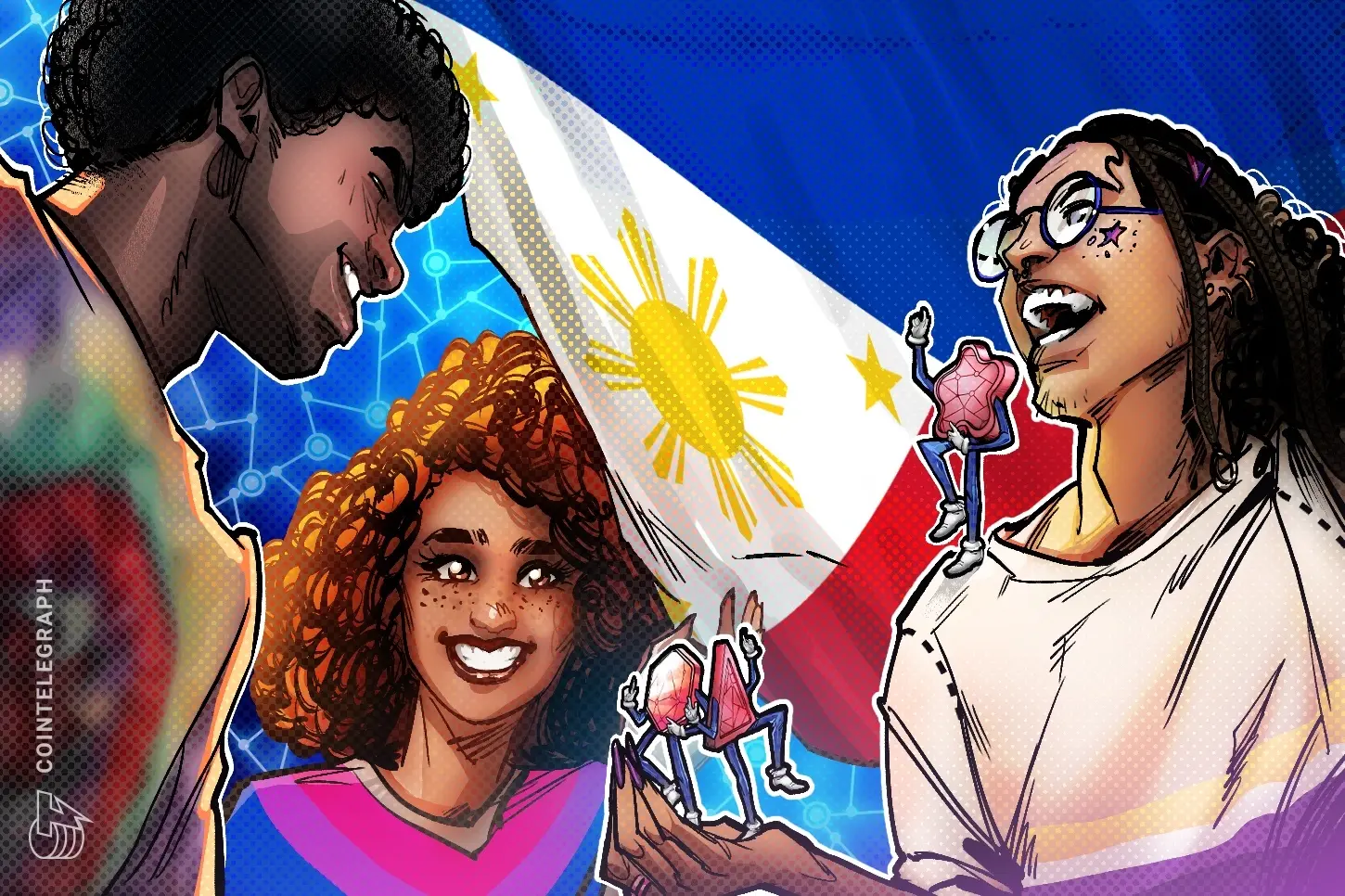
Philippine SEC Signals Readiness for Real-World Asset Tokenization
The Philippine Securities and Exchange Commission (SEC) has officially signaled that the country is ready to embrace the tokenization of real-world assets (RWAs), a move that could reshape the nation's capital markets and investor protection landscape. Speaking at the Philippine Blockchain Week 2026, SEC Commissioner Rogelio Quevedo declared that the agency is “now fully convinced that we have the proper law [and] the proper regulatory mind and background” to accept asset tokenization. This statement marks a significant milestone for the Philippines, which has been steadily building its regulatory framework for digital assets and blockchain technology.
Regulatory Framework and Strategic Sandbox
The SEC's position aligns with its Strategic Sandbox, also known as StratBox, which allows fintech companies to test new products and business models in a live but controlled environment under regulatory supervision. The sandbox framework enables the SEC, within its legal authority, to waive or modify certain legal and regulatory requirements for individual participants. However, participation does not automatically exempt a company from existing laws, and the sandbox cannot be used to circumvent legal or regulatory requirements. In November 2025, the SEC revealed that four companies had been admitted to the sandbox, including one testing a tokenized real estate offering. Two other participants were testing access to United States equities, while BlockShoals Technologies received in-principle approval to test crypto-related products and services.
Protecting Overseas Filipino Workers
In a follow-up interview, Quevedo emphasized the potential benefits of tokenized investment products for overseas Filipino workers (OFWs), who often struggle to find legitimate and reliable investment avenues. He noted that OFWs have capital but lack knowledge on where to place their money or how to make it grow. This gap has historically made them vulnerable to investment scams. Quevedo stated, “Our OFWs, they have the capital. They do not know where to place their money. They do not know how to make their money earn.” By providing regulated tokenized assets, the SEC aims to offer OFWs safer alternatives that are transparent and accessible.
Quevedo also highlighted the SEC's collaboration with tech giants like Google, TikTok, and other online platforms to remove illegal investment offerings. He added, “We are also using artificial intelligence to go after these unscrupulous scams.” This multi-pronged approach combines regulatory innovation with enforcement to create a safer investment environment.
Tokenization as a Capital Markets Innovation
Tokenization refers to the process of converting ownership rights of physical assets—such as real estate, art, or commodities—into digital tokens on a blockchain. This technology can increase liquidity, reduce transaction costs, and broaden access to traditionally illiquid assets. In the Philippine context, tokenized assets could democratize investment by allowing smaller investors to own fractional shares of high-value properties or other assets. The SEC commissioner believes that tokenization could “revolutionize” stock exchanges and spur innovation in capital markets.
The Philippines has a vibrant fintech ecosystem and a high mobile penetration rate, making it a fertile ground for blockchain-based financial services. The central bank, Bangko Sentral ng Pilipinas, has also been proactive in regulating digital assets, having issued licenses to several cryptocurrency exchanges. The SEC's readiness for RWA tokenization is part of a broader national strategy to leverage blockchain technology for economic development.
Global Context and Comparisons
Other countries in Asia, such as Singapore, Hong Kong, and Japan, have also been exploring RWA tokenization. Singapore's Monetary Authority has launched several pilot projects under its Project Guardian, while Hong Kong has introduced a regulatory framework for tokenized securities. The Philippine SEC's approach is notable for its emphasis on investor protection and its use of a sandbox to test innovations before full deployment. By learning from global best practices, the Philippines aims to avoid the pitfalls that have plagued other markets, such as the collapse of unregulated crypto platforms.
Quevedo's remarks come at a time when the Philippine SEC has been cracking down on unregistered investment platforms. In 2025, the agency issued cease-and-desist orders against several entities offering unauthorized crypto investment schemes. The shift toward embracing regulated tokenization is seen as a proactive effort to channel investor interest into legitimate channels.
Technical Aspects and Implementation Challenges
While the SEC has signaled readiness, implementing RWA tokenization on a wide scale will require overcoming several challenges. Legal clarity is needed on issues such as property rights, taxation, and cross-border transactions. The SEC's sandbox will allow participants to test these aspects in a controlled setting. Additionally, the development of robust blockchain infrastructure and interoperability between different tokenization platforms will be crucial. The Philippines may also need to update its securities laws to explicitly recognize tokenized assets as securities, though Quevedo believes the current legal framework is already adequate.
The SEC is also exploring the use of artificial intelligence to monitor tokenized asset markets for fraudulent activity. This aligns with the agency's broader digital transformation strategy, which includes automation of filing systems and data analytics for market surveillance.
Related Developments in the Philippines
The tokenization initiative is not happening in isolation. In November 2025, the SEC admitted its first batch of sandbox participants, signaling a gradual opening of the regulatory environment. Earlier in 2026, Meta rolled out stablecoin payouts for creators in the Philippines and Colombia, highlighting growing interest in digital currency solutions in the region. The Philippine SEC is also working closely with other government agencies, such as the Department of Finance and the Bureau of Internal Revenue, to ensure a cohesive regulatory approach.
BlockShoals Technologies, one of the sandbox participants, is testing crypto-related products and services, which could pave the way for broader tokenization applications. The company's in-principle approval suggests that the SEC is willing to engage with innovative firms as long as they comply with regulatory standards.
Future Outlook
The Philippine SEC's readiness for RWA tokenization marks a pivotal moment for the country's financial evolution. As tokenized assets gain traction globally, the Philippines stands to benefit from increased capital inflows, more efficient markets, and enhanced investor protection. The SEC's focus on OFWs underscores a commitment to inclusive finance, ensuring that even those working abroad have access to regulated, trustworthy investment options.
Commissioner Quevedo's statements at the Philippine Blockchain Week 2026 have generated optimism among industry participants. The event, which brings together blockchain enthusiasts, regulators, and entrepreneurs, serves as a platform for shaping policy and fostering collaboration. With the StratBox in place and a clear regulatory vision, the Philippines is well-positioned to become a hub for RWA tokenization in Southeast Asia.
Source: Cointelegraph News