

Apple's walled garden is showing more cracks. According to a new report from Bloomberg, the upcoming iOS 27 update will introduce support for third-party media-casting protocols, such as Google Cast, allowing iPhone users to beam content to non-AirPlay devices. This move is driven by the European Union's Digital Markets Act (DMA), which mandates that dominant platforms must open up their ecosystems to competition.
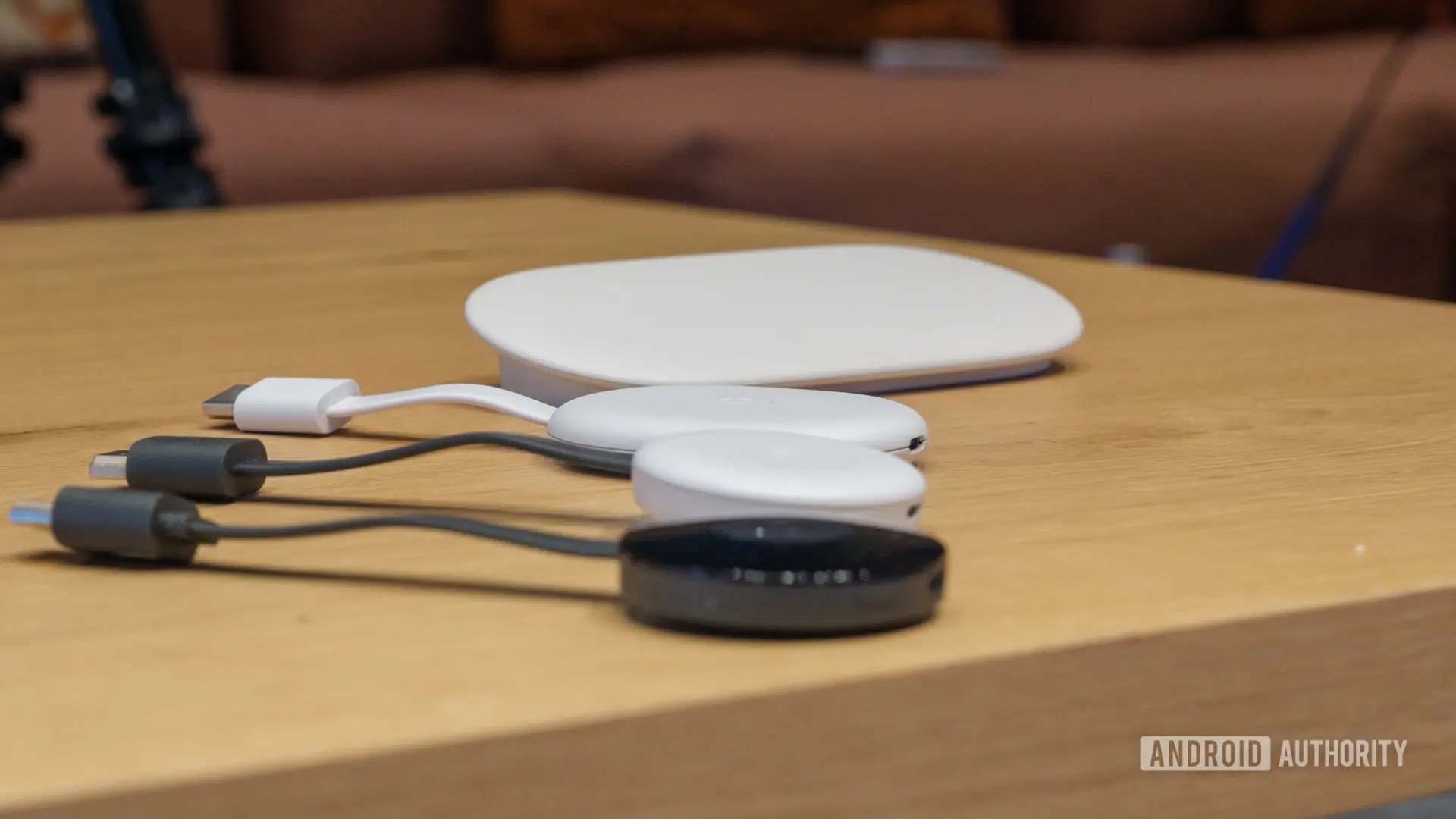
For years, iPhone users have been limited to Apple's proprietary AirPlay protocol for streaming video, photos, and audio to external displays and speakers. While AirPlay is widely supported on premium TVs from brands like Samsung, LG, and Sony, it isn't available on many budget-friendly devices, including streaming sticks and smart TVs running Android TV or Google TV. Those devices instead rely on Google Cast, a competing standard developed by Google. Google Cast, formerly known as Chromecast, is built into millions of devices, from smart speakers to TVs, making it the de facto standard in the Android ecosystem.
What Will Change with iOS 27?
Starting with iOS 27, expected to be released in 2025, Apple will allow iPhone users to set alternative casting protocols as the default. That means you could use Google Cast to send content from apps like YouTube, Netflix, or Spotify to a Chromecast-compatible device, without needing to switch to AirPlay. The system will reportedly let users choose which casting service to use as the default, similar to how iOS now allows users to set default browsers and email apps.
This is a significant shift for Apple, which has historically kept its ecosystem tightly controlled. The company has resisted opening up its platforms, often citing security and privacy concerns. However, the EU's DMA has forced Apple to make concessions. Already, Apple has allowed alternative app stores on iOS, permitted game emulators, and relaxed anti-steering rules for developers. The addition of third-party casting is the next logical step in this process.
Why Is Apple Making This Change?
The primary driver is the EU's Digital Markets Act, which came into force in 2024. The DMA classifies Apple as a "gatekeeper" for iOS, requiring it to allow interoperability with competing services. Alternative casting protocols are seen as a way to increase consumer choice and reduce lock-in effects. Apple is reportedly designing iOS 27 to comply with these requirements, though the company has not confirmed the feature publicly.
The report from Bloomberg does not specify whether this change will apply globally or only in the EU. Most DMA-driven changes have been limited to the European market, but some have gone global—such as allowing emulators on the App Store. Given Apple's history of "malicious compliance" (making changes just barely enough to satisfy regulators), it's possible that third-party casting support will remain an EU-only feature. However, the precedent of global emulator support suggests that Apple may decide to roll it out worldwide to simplify its software stack.
The Impact on TV and Streaming Devices
If third-party casting becomes widely available, it could shake up the TV and streaming stick market. For years, TV manufacturers have had to pay Apple licensing fees to include AirPlay support. These fees, combined with strict hardware requirements, made AirPlay integration costly. As a result, AirPlay is typically only found on mid-range and premium TVs. Budget brands, especially those that use Android TV, often skip AirPlay entirely to keep costs down.
With Google Cast support on the iPhone, this changes. TV makers could drop AirPay support altogether, saving money, while still serving iPhone users who can use Google Cast instead. Google Cast is already baked into Android TV and Google TV at no extra cost to manufacturers. This could accelerate the adoption of cheaper streaming sticks and boxes, like those from Chromecast, Nvidia Shield, or other Android TV devices, as they would now be fully compatible with iPhones.
For consumers, this means broader device compatibility. If you own an iPhone, you could buy a $30 Chromecast or a budget Android TV and stream content from your phone without any issues. Currently, those cheap sticks are only truly convenient for Android users. This move would level the playing field.
What About Miracast?
The report suggests that Apple is unlikely to include support for the Miracast open standard, which is used by Windows and many Android devices for screen mirroring. Google Cast is different from Miracast: Google Cast is a protocol that lets apps send content directly to the display, while Miracast mirrors the entire screen. Apple's focus appears to be solely on supporting Google Cast, which is already widely adopted by streaming services.
How This Affects Android Phones
Ironically, this change could make the iPhone a better device for casting than Android phones. Android devices natively support Google Cast and sometimes Miracast, but they lack support for Apple's AirPlay. With iOS 27, the iPhone will support both AirPlay and Google Cast, giving users the flexibility to use whichever protocol their display supports. Android phones, on the other hand, will still be unable to use AirPlay unless a third-party app is involved, which rarely works seamlessly.
Historical Context: The DMA and Apple
The Digital Markets Act is the most aggressive antitrust legislation targeting Big Tech in the EU. Apple has been one of its primary targets. The DMA requires gatekeepers to allow users to install apps from alternative app stores, use alternative in-app payment systems, and ensure messaging interoperability. Apple's compliance has been slow and contentious. The company argued that opening up its ecosystem would expose users to security risks, but regulators disagreed.
The addition of alternative casting protocols is just one of many upcoming changes. Apple is also expected to open up its NFC chip for third-party payments, allow alternative search engines, and possibly even permit third-party browser engines on iOS. These changes are redefining what it means to be an Apple user in the EU, and potentially globally.
What Does This Mean for Developers?
For app developers, this is a welcome development. Currently, if an app wants to support casting from an iPhone, it must either integrate AirPlay (which requires approval and licensing) or use a workaround like DLNA. With official Google Cast support baked into iOS, developers will have a simpler path to enable casting features. Apps that already support Google Cast on Android will be able to offer the same functionality on iOS with minimal additional effort.
Apple's casting change could also boost the adoption of cross-platform streaming apps. Services like Plex, VLC, and many IPTV apps rely on casting protocols to let users play media on different devices. Having both AirPlay and Google Cast support on the same device expands the potential audience for these apps.
The Future of Walled Gardens
The move toward third-party casting is a clear sign that even Apple cannot resist the pressure from regulators. While the company has managed to keep most DMA changes confined to the EU, the global ripple effects are undeniable. Consumers in other regions are starting to demand the same freedoms. Whether Apple eventually opens up globally or continues with a fragmented approach remains to be seen.
For now, iPhone users can look forward to more flexibility in how they share content. The ability to use Google Cast will reduce dependency on AirPlay-compatible hardware, potentially saving money when buying streaming devices. It will also make using an iPhone in a mixed household—with both Apple and Google devices—much smoother.
As the iOS 27 update approaches, more details will likely emerge about the specific implementation, including which apps will support the feature and whether it will be available in non-EU countries. Apple typically announces major iOS updates at its Worldwide Developers Conference (WWDC) in June, so an official announcement could come as early as mid-2025.
This development underscores a broader shift in the tech landscape: proprietary lock-ins are becoming harder to maintain. Whether driven by regulation or consumer demand, the trend is toward greater interoperability. For iPhone users long accustomed to Apple's curated ecosystem, that's a significant change—and for many, a welcome one. The walled garden is not crumbling, but its walls are certainly getting lower.
Source: Android Authority News