

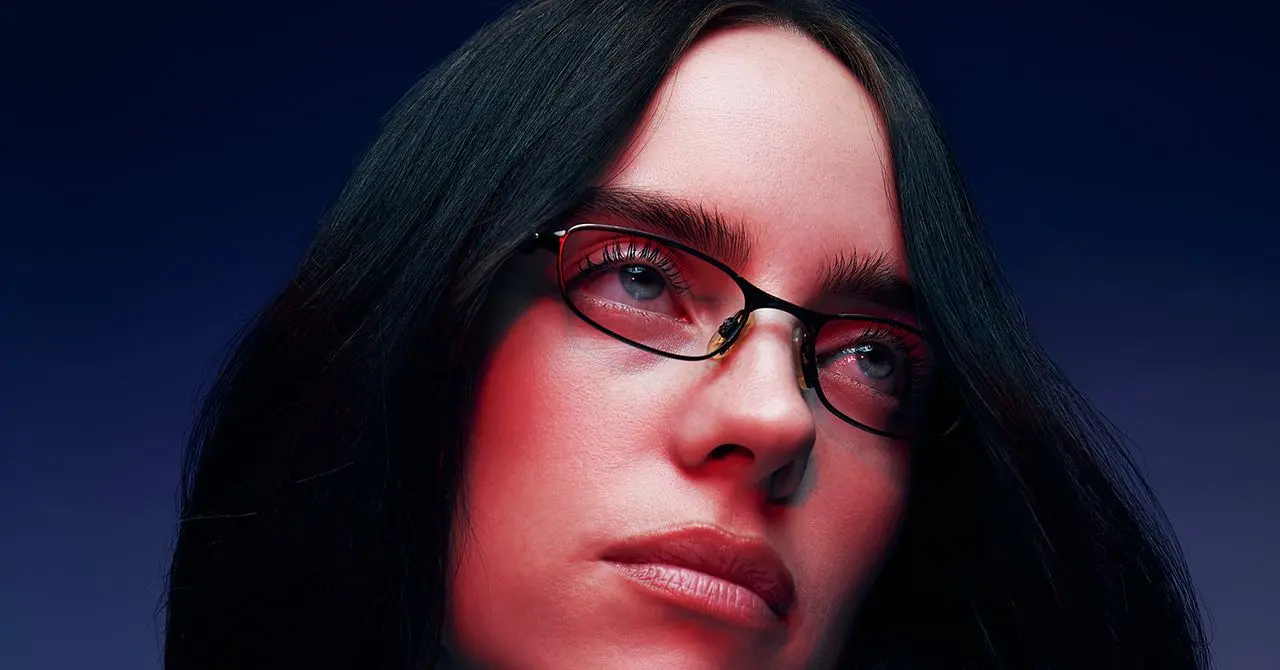
Nearly a decade ago, a 13-year-old Billie Eilish uploaded 'Ocean Eyes' to SoundCloud, a platform then better known for indie hip-hop demos than pop breakthroughs. That single track, written by her brother Finneas, became a global phenomenon, propelling her into a stratosphere few artists ever reach. Now 24, Eilish is uncertain whether the same path exists for the next generation. 'Oh my god!' she exclaims when asked where the next Billie Eilish might be discovered. 'I have no idea.'
Her rise was anything but typical. In 2015, SoundCloud was a haven for bedroom producers and emerging rappers like Chance the Rapper and the Odd Future collective, who built fervent fanbases through free mixtapes and raw video content. Eilish, with her whispery vocals and dark pop production, tapped into that same ethos. Her former manager Danny Rukasin told Billboard in 2019 that the team deliberately crafted a complete persona around her, drawing from hip-hop's internet underground. Soon, music critics like Jon Caramanica of the New York Times dubbed her 'the first SoundCloud-rap pop star, without the rapping.'
The formula worked spectacularly. By the time her debut album When We All Fall Asleep, Where Do We Go? dropped in 2019, Eilish had already amassed millions of followers across Instagram, YouTube, and Spotify. The album shot to No. 1 on the Billboard 200, and at the 2020 Grammy Awards she won five trophies, including Album of the Year, Record of the Year, and Best New Artist—all at age 18. Her brother Finneas, who co-wrote and produced the album, shared in the accolades, cementing their partnership as one of the most successful sibling duos in pop history.
But success at that scale invites scrutiny. Almost immediately, whispers of 'industry plant' began circulating. Critics pointed to her family's connections in the entertainment industry and to early support from streaming platforms like Spotify. Paula Harper, a musicologist at the University of Chicago who studies internet fandoms, notes that Eilish became a 'really useful rhetorical figure for music journalists to articulate industry shifts in the digital age.' The term 'industry plant' has since haunted other acts, such as the band Geese, whose rapid rise was questioned after WIRED reported they had worked with a marketing agency to boost online visibility.
Eilish herself has always acknowledged the role of the internet in her career. In the 2021 documentary The World's a Little Blurry, Finneas observes that she is 'so woke about her own persona on the internet that I think she's terrified of, like, anything she makes being hated.' That awareness may have helped her navigate the pitfalls of online fame, but she admits she is still addicted to scrolling. 'I'm still on more than I'd like to be, but I can't help myself,' she says. 'There's just so much good shit on there. But also it's horrible. I have to click the comments no matter what, which is not good for me.'
Now, in 2026, the music discovery landscape is radically different. Ten years ago, an artist could break out through organic social media posts, livestreams, and viral videos. Today, algorithms are saturated with AI-generated 'slop,' bots inflate streaming numbers, and the term 'authenticity' feels perpetually up for debate. Even so, Eilish remains bullish on human-made art. 'There's all sorts of technologies now where it seems like we're all doomed, but we're not,' she tells WIRED. 'If we keep making real stuff, real art made by humans—live music, live audiences—I don't see that ever dying.'
Her upcoming concert film Hit Me Hard and Soft: The Tour (Live in 3D), co-directed with James Cameron and releasing on May 8, is a testament to that belief. Shot in immersive 3D, the film captures the energy of her recent tour and includes interviews with fans about their emotional connections to her music. It's a love letter to communal experiences in an era when many artists feel pressure to constantly be 'on' for their digital audiences. Eilish, however, sees the film as a call to put down the phone: even if it's just in a multiplex, she wants people to come together IRL.
The question of where the next superstar will emerge remains open. Some point to TikTok, which has launched artists like Addison Rae and Lil Nas X, but the platform's ephemeral trends often burn out quickly. Others argue that Spotify playlists have become the new radio, with curated lists like 'Today's Top Hits' wielding immense power. Yet as journalist Ryan Broderick of Garbage Day notes, the flow is often the opposite: a big artist releases a new album, Spotify pushes it into playlists, and then the artist grows on TikTok and Instagram—not the other way around. In other words, algorithmic fame still relies on a foundation of real-world momentum.
Eilish's own journey offers clues about what that momentum looks like. She and Finneas wrote 'Ocean Eyes' in her childhood bedroom, uploaded it with no expectations, and watched it spread through sheer word of mouth. But that was in a different internet age—one without deepfakes, AI-generated vocals, or bot farms. Today, a similar upload might be lost in a sea of synthetic content. The challenge for aspiring artists is not just making great music, but cutting through the noise while maintaining a sense of authenticity.
For Harper, the shift reflects a broader cultural anxiety. 'The internet promised a democratization of fame, but we're now seeing the limits of that promise,' she says. 'When every artist is expected to be a content creator, the lines between artistry and marketing blur. Fans demand access, and when that access is perceived as manufactured, skepticism sets in.' Eilish, paradoxically, has benefited from this scrutiny. Her openness about mental health, her candid interviews, and her willingness to share behind-the-scenes moments have made her one of the most trusted pop figures among Gen Z and Gen Alpha listeners.
As she looks ahead, Eilish remains curious about what's next. 'I'm very curious to see what the future holds,' she says. 'I don't know where the next whoever is gonna come from. I can't wait to see them and I can't wait to cheerleader them, whoever it may be.' That optimism, grounded in her own improbable rise, may be the most reassuring message for any aspiring artist: the platform may change, the algorithms may shift, but genuine talent—and the human connection it fosters—still has the power to break through.
Source: WIRED News