

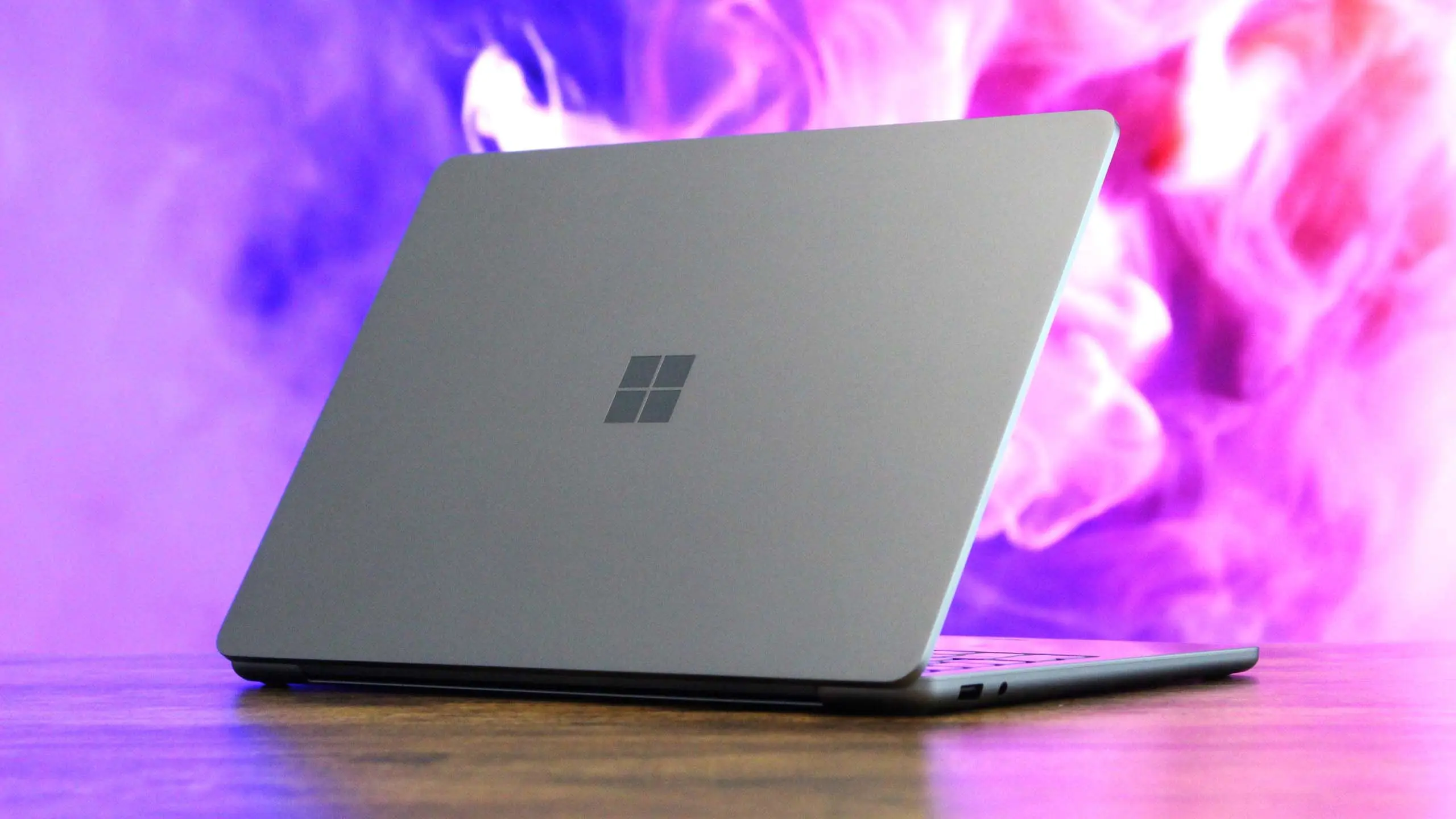
In a surprising pivot that underscores the ongoing pressure on PC makers from the global memory shortage, Microsoft has quietly reintroduced a Surface Laptop configuration with just 8GB of RAM. The move, first spotted by industry analysts, is seen as a scramble to keep price points low in a market where DRAM costs have skyrocketed, squeezing margins across the board. Yet, this new SKU comes with a notable drawback: it does not meet the hardware requirements for Microsoft's Copilot+ PC initiative, which calls for a minimum of 16GB of RAM to deliver a full artificial intelligence experience.
The return of the 8GB Surface Laptop comes nearly a year after Microsoft phased out such configurations, aligning its premium lineup with the demands of modern multitasking and AI workloads. The company had been promoting its Copilot+ PCs as a new category that leverages neural processing units (NPUs) and sufficient memory to handle real-time AI tasks like live captions, image generation, and advanced productivity tools. But with DRAM prices surging—partly due to supply chain disruptions and increased demand from data centers and automotive sectors—Microsoft is reconsidering its strategy.
The RAM crisis and its impact on laptop pricing
The global RAM market has been volatile for over two years. After a period of oversupply and falling prices, manufacturers like Samsung, SK Hynix, and Micron shifted production toward high-margin products for servers and AI accelerators. This created a shortage of commodity DRAM, especially LPDDR5 modules used in ultraportable laptops. As a result, the cost of upgrading from 8GB to 16GB in a thin-and-light device has risen by up to 50% in some cases, forcing OEMs to either absorb the cost or raise consumer prices.
Microsoft, which positions the Surface Laptop as a direct competitor to the MacBook Air, has been under pressure to maintain a $999 starting price. Adding 16GB of RAM would push the cost higher, potentially losing price-sensitive buyers. By bringing back the 8GB variant, Microsoft can offer a $899 entry point, but at the expense of qualifying as a Copilot+ PC. This creates a confusing product line: customers who want the full AI capabilities must pay a premium, while those on a budget lose out on future software features.
Copilot+ requirements: Why 16GB matters
Microsoft's Copilot+ PC specification was announced earlier this year with much fanfare. To carry the badge, a device must include a Qualcomm Snapdragon X Elite or similar NPU-equipped processor, at least 16GB of RAM, and a 256GB or larger SSD. The minimum RAM threshold is critical because AI models often run locally for privacy and speed, and they require substantial memory to hold the model weights and context. With 8GB, the system would be forced to swap memory to storage, causing significant slowdowns and a poor experience.
Industry observers note that the reintroduction of an 8GB Surface Laptop might be a temporary measure. Microsoft could be aiming to clear existing stocks of older processors or to offer a lower-cost option for education and enterprise customers who do not need AI features. However, the move risks diluting the Copilot+ brand. If customers buy an 8GB Surface Laptop thinking they can later enable Copilot features, they will be disappointed. Microsoft's documentation explicitly states that "Copilot+ PC experiences require a minimum of 16GB system memory."
Past patterns: Microsoft's history of memory compromises
This is not the first time Microsoft has backtracked on hardware specifications. In early 2021, the company released a Surface Pro 7+ for business with removable SSD but kept 4GB RAM as an option, even as competitors moved to 8GB minimum. Similarly, the Surface Go series has often been criticized for offering only 4GB or 8GB in a world where even budget tablets now start at 8GB. Critics argue that Microsoft's hardware division is sometimes out of sync with software ambitions, especially as Windows 11 itself recommends 8GB for basic use and 16GB for advanced tasks.
The RAM crisis provides a convenient excuse, but the long-term implications are significant. As AI becomes more integrated into operating systems, memory requirements will only grow. Apple has already set a new standard by equipping all Macs with at least 8GB unified memory and pushing 16GB as the sweet spot for professionals. Microsoft's 8GB Surface Laptop could be seen as a step backward, alienating power users who expect a premium device to be future-proof.
Market reaction and competitive landscape
Early reactions from the tech community have been mixed. Some applaud Microsoft for offering a lower-priced option in a time of inflation, while others see it as a dilution of the Surface brand. On forums, users have expressed concern that buying the 8GB model might mean missing out on Windows 12 features that rely heavily on local AI. The competitive landscape is also shifting: Dell, HP, and Lenovo have largely abandoned 8GB in their premium lines, and even mid-range models from Acer and ASUS now start at 12GB or 16GB.
Qualcomm, which supplies the Snapdragon X chips for most Copilot+ PCs, has remained silent on the issue. However, a spokesperson for a major DRAM supplier told reporters that the shortage is expected to ease by mid-2025, suggesting that the 8GB Surface Laptop might be a stopgap measure rather than a permanent addition. Microsoft has not confirmed any discontinuation date. The company typically refreshes the Surface Laptop line annually, so a next-generation model with mandatory 16GB could appear in late 2025.
What this means for consumers
For consumers, the takeaway is clear: if you want to use the full suite of Copilot+ AI features, you need to avoid the 8GB configuration. The money saved upfront will be lost in performance and capabilities down the road. For those who only need a basic laptop for web browsing, email, and Office applications, the 8GB Surface Laptop might be adequate for now, but it lacks the headroom for serious multitasking or future software updates.
Microsoft's decision also reflects broader industry trends. The RAM crisis has forced many OEMs to make difficult trade-offs, but few have been as prominent as this. By marketing a premium device with mid-range memory, Microsoft risks confusing its core customer base and undermining the Copilot+ ecosystem just as it launches. The company will need to communicate clearly that the 8GB model is not a full Copilot+ PC, and perhaps adjust its branding to avoid misleading buyers.
In the background, the RAM shortage continues to affect other products. Server DRAM prices have risen over 20% year-over-year, and mobile DRAM is also tightening. Analysts predict that while the worst may be over for PCs, the recovery will be slow. For now, Microsoft's Surface Laptop with 8GB RAM is a snapshot of a market struggling to balance innovation with reality—a reminder that even the biggest players must sometimes bend to economic pressures.
Source: Windows Central News